Introduction
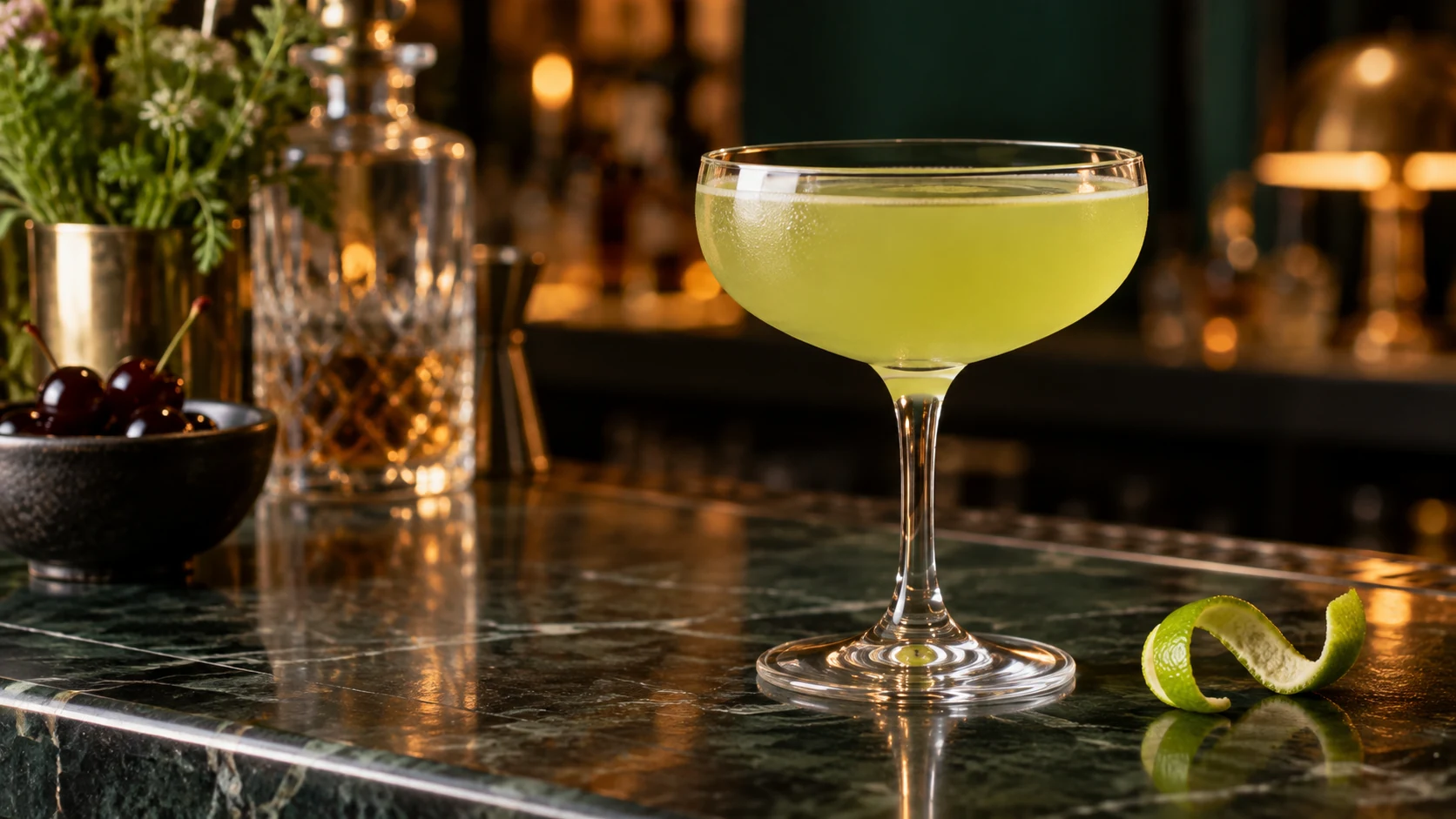
The Last Word is a cocktail with a name that sounds final and a flavor that refuses to leave. It is sharp, herbal, citrusy, and strange in the best possible way: equal parts gin, green Chartreuse, maraschino liqueur, and fresh lime juice, shaken until ice-cold and served in a coupe.
It should not be as good as it is. Green Chartreuse is powerful. Maraschino can dominate a drink with cherry-almond funk. Lime is aggressive. Gin brings its own botanicals. Put them in equal parts, and common sense says one ingredient should bully the rest. Instead, the Last Word snaps into focus like a perfectly tuned chord.
This Last Word cocktail recipe gives you the classic build, the bottle choices that matter, and the small fixes that rescue the drink when it tastes too sweet, too sour, or too herbal.
What Makes the Last Word Special
The Last Word is an equal-parts cocktail, but it is not a gentle one. It is a high-wire act. Gin gives dryness and structure. Green Chartreuse brings alpine herbs, spice, and intensity. Maraschino adds sweetness, cherry pit, and a faint almond edge. Lime juice cuts through everything with clean acid.
The result is electric. The first sip is bright lime and herbs. Then comes gin, cherry, and a long green finish that feels almost medicinal, but polished. A great Last Word is bracing without being harsh. It tastes old, modern, and a little dangerous all at once.
That is why bartenders love it. It is memorable, fast, and difficult to confuse with anything else.
Last Word Cocktail Recipe
This is the classic equal-parts recipe. Measure carefully. A small pour error is easy to taste because every ingredient is assertive.
Ingredients:
- 3/4 oz gin
- 3/4 oz green Chartreuse
- 3/4 oz maraschino liqueur
- 3/4 oz fresh lime juice
- Optional garnish: brandied cherry or lime twist
Instructions:
- Add the gin, green Chartreuse, maraschino liqueur, and fresh lime juice to a cocktail shaker.
- Fill the shaker with ice.
- Shake hard for 10 to 12 seconds.
- Double strain into a chilled coupe glass.
- Garnish with a brandied cherry if you want a richer aroma, or serve ungarnished for the cleanest version.
Choosing the Gin
Use a dry gin with enough botanical clarity to stand up to Chartreuse. London dry gin is the safest choice. Juniper, citrus peel, coriander, and angelica all work beautifully against the herbal liqueur.
A soft modern gin can make the drink taste too sweet and liqueur-driven. A very floral gin can clash with the Chartreuse. Navy strength gin can be excellent, but it changes the drink into something louder and drier. If you use navy strength, consider pouring a scant 3/4 oz gin or shaking a touch longer for more dilution.
The best gin for a Last Word is not necessarily the most expensive one. It is the one with enough spine to keep the drink from becoming green candy.
Green Chartreuse: The Heart of the Drink
Green Chartreuse is the ingredient that gives the Last Word its legend. It is intensely herbal, high proof, sweet, and unmistakable. There are substitutes for practical purposes, but there is no perfect replacement. If you want the true Last Word flavor, green Chartreuse is the bottle.
Because Chartreuse is so expressive, freshness and storage matter. Keep it sealed, keep it out of direct sunlight, and do not let the bottle become a dusty trophy. The liqueur is stable, but its aroma is part of the experience.
If Chartreuse is unavailable, look for herbal liqueurs with high intensity and a clear green profile. The drink will become a riff, not a strict classic, but the equal-parts template can still produce something delicious.
Maraschino Liqueur Balance
Maraschino liqueur is not cherry syrup. It is dry, funky, floral, and slightly nutty, with a flavor that comes from marasca cherries and their pits. In the Last Word, it sweetens the drink while adding a ghostly cherry-almond note behind the herbs.
Too much maraschino makes the cocktail taste perfumed and sticky. Too little leaves the lime and Chartreuse exposed. Stick with the equal parts first. If your preferred maraschino is especially bold, use a slightly heavier gin or a drier gin rather than cutting the liqueur immediately.
The maraschino should be present, but it should feel like a shadow, not the headline.
Lime Juice and Acidity
Use fresh lime juice and shake soon after juicing. Lime oxidizes quickly, and old juice makes the Last Word taste muddy. The cocktail needs sharp acid because both Chartreuse and maraschino bring sweetness.
If the drink tastes too sour, the problem may be underripe lime or insufficient dilution. Shake harder before changing the recipe. If it tastes too sweet, check your lime first, then consider increasing the gin by a barspoon. If it tastes too herbal, the drink may be too warm. Serve it colder.
Temperature is a seasoning here. The Last Word should arrive frosty and bright.
Taste Notes
A properly made Last Word starts with lime snap, then moves into juniper, green herbs, cherry pit, and warming spice. The finish is long, vivid, and slightly bitter. It should taste sweet enough to be generous, but dry enough to keep pulling you back.
Compared with a Gimlet, the Last Word is far more herbal and complex. Compared with an Aviation, it is sharper and greener. Compared with a Bijou, it is brighter and less heavy. It is one of the most distinctive gin cocktails you can make at home.
History and Revival
The Last Word is usually associated with the Detroit Athletic Club and the Prohibition era. It later faded from view before becoming a favorite in the modern cocktail revival, especially after bartenders rediscovered how well the equal-parts formula worked.
Its comeback makes sense. The recipe is simple enough to memorize, yet the flavor feels unlike the usual sour or martini-family drink. It has a great name, a dramatic color, and a finish that lingers. For a bar menu, that is gold. For a home bartender, it is a reliable showstopper.
Smart Variations
The most famous variation is the Final Ward, which swaps gin for rye whiskey and lime for lemon. It keeps the equal-parts structure but becomes warmer, spicier, and darker.
For a mezcal riff, replace the gin with mezcal and keep the lime. The smoke pushes against the Chartreuse in a dramatic way. For a softer gin riff, split the gin with blanco tequila. The drink becomes brighter and more agave-driven.
Do not change too much at once. The Last Word template is flexible, but its power comes from tension. Keep the sour, sweet, herbal, and spirit elements in balance.
Serving Tips
Use a chilled coupe and double strain for a clean texture. The drink is usually served up, not on the rocks. Because it contains citrus, it should be shaken, not stirred.
For batching, combine gin, Chartreuse, and maraschino ahead of time in equal parts. Keep the batch chilled. Shake each serving with fresh lime juice when ordered or served. This preserves the snap and avoids flat citrus.
A garnish is optional. A cherry nods to the maraschino. A lime twist sharpens the aroma. No garnish is completely acceptable because the drink already has plenty to say.
Conclusion
The Last Word cocktail is small, fierce, and unforgettable. Equal parts gin, green Chartreuse, maraschino, and lime create a drink that tastes more complex than the recipe looks. Use fresh lime, a dry gin, and a confident shake. When the balance is right, the Last Word does exactly what its name promises: it ends the conversation and steals the room.