Introduction
The Paper Plane is what happens when a bourbon drink learns to fly. It is equal parts whiskey, Aperol, Amaro Nonino, and lemon juice, which sounds almost too simple until the first sip lands: bright citrus, orange peel, honeyed herbs, and a clean bourbon backbone that keeps the whole thing from floating away.
This is one of the rare modern classics that feels instantly familiar. It has the easy rhythm of a sour, the color of a sunset, and the bittersweet snap of an Italian aperitivo. Search for a Paper Plane cocktail recipe and you will see the same four-ingredient formula everywhere, but the real magic is not only the ratio. It is the temperature, the dilution, the bourbon choice, and the way the lemon keeps the amaro from becoming heavy.
If you want a cocktail that impresses without requiring a bar cart full of obscure bottles, the Paper Plane is one of the best moves you can make. It tastes expensive, pours beautifully, and takes less than a minute to shake.
Why the Paper Plane Works
The Paper Plane works because every ingredient has a job. Bourbon gives warmth and vanilla. Aperol brings orange, gentian bitterness, and that unmistakable coral color. Amaro Nonino adds body, spice, and a soft bittersweet finish. Fresh lemon juice cuts through the liqueurs so the drink stays crisp instead of syrupy.
Equal-parts cocktails can sometimes taste lazy. This one does not. The structure is tight because the sweet, bitter, sour, and spirit elements are all pulling with nearly the same force. If one bottle is changed, the drink changes immediately. A high-proof bourbon makes it punchier. A softer bourbon makes it more aperitif-like. Tired lemon makes it flat. Too little shaking leaves it sticky.
That is the difference between a good Paper Plane and a great one: the recipe is easy, but the details are loud.
Paper Plane Cocktail Recipe
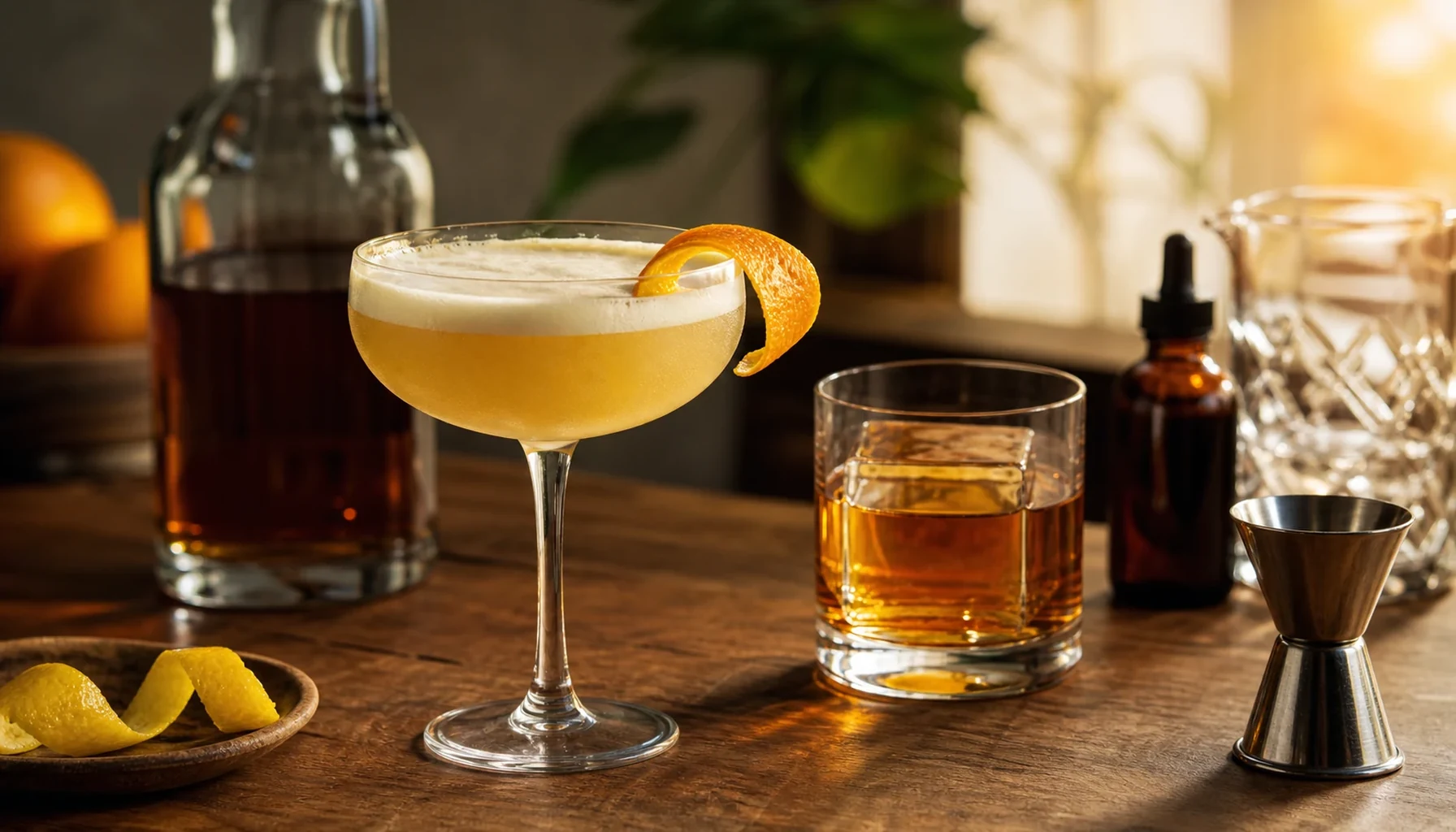
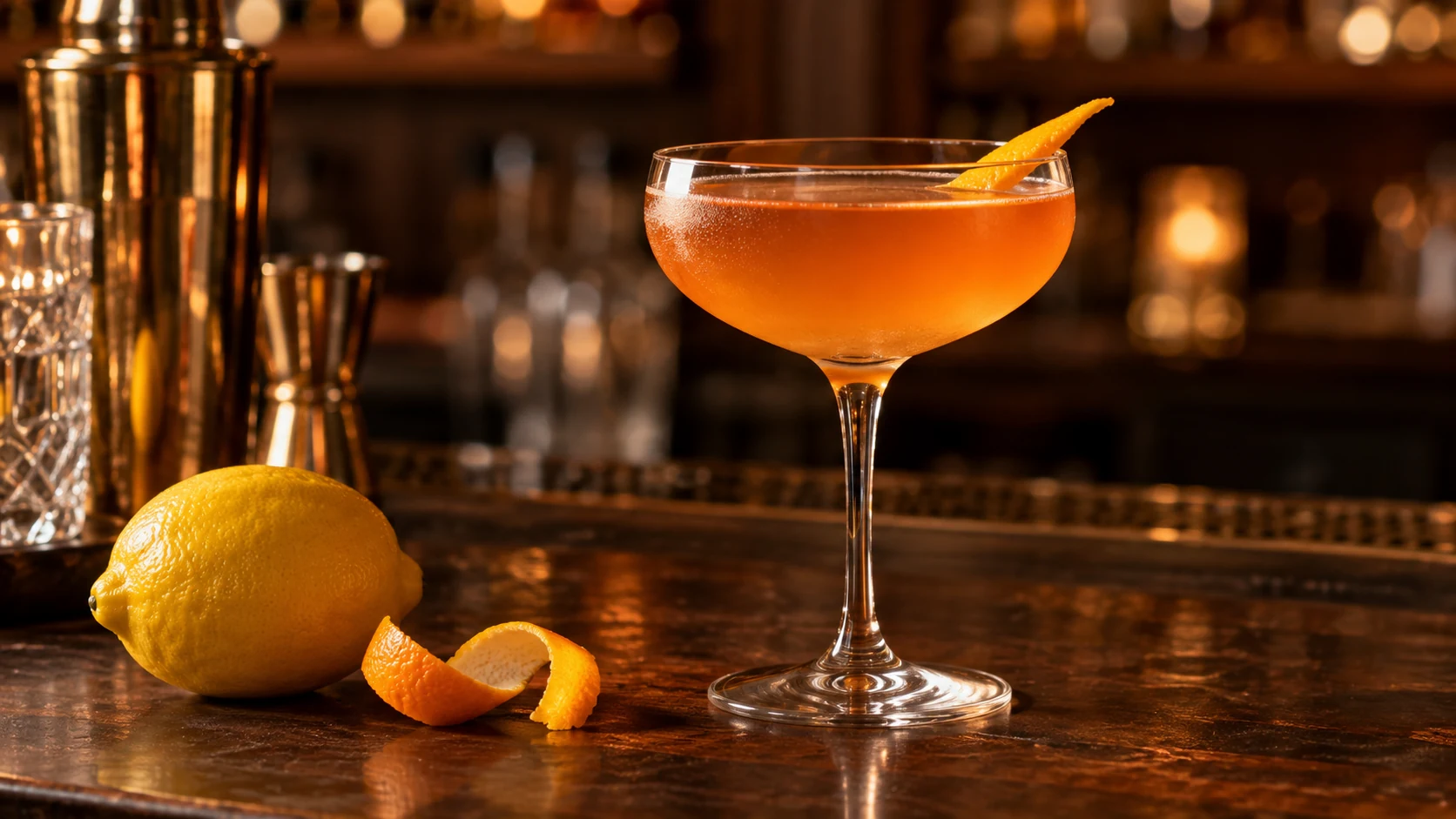
This is the modern standard: equal parts, shaken hard, served up. It is the version most drinkers expect when they order a Paper Plane at a serious cocktail bar.
Ingredients:
- 3/4 oz bourbon
- 3/4 oz Aperol
- 3/4 oz Amaro Nonino Quintessentia
- 3/4 oz fresh lemon juice
- Optional garnish: tiny paper plane, lemon twist, or no garnish
Instructions:
- Add the bourbon, Aperol, Amaro Nonino, and fresh lemon juice to a cocktail shaker.
- Fill the shaker with plenty of ice.
- Shake hard for 10 to 12 seconds, until the tin is cold and frosty.
- Double strain into a chilled coupe glass.
- Serve immediately, with or without a small garnish.
Choosing the Bourbon
Use bourbon with enough proof to push through the liqueurs. Something around 90 to 100 proof is ideal. The drink does not need a rare bottle, but it does need a bourbon with backbone. Look for vanilla, caramel, oak, and a little spice.
If your bourbon is very soft, the Paper Plane can taste like Aperol and lemon with a whiskey accent. If it is too hot, the cocktail loses its silky, bittersweet glide. A mid-proof bourbon gives you the best of both worlds: warmth without burn, sweetness without heaviness.
Wheated bourbon makes the drink rounder and softer. Higher-rye bourbon makes it sharper and spicier. Both work. For a first build, choose a bourbon you enjoy neat but would not feel guilty shaking with citrus.
About Amaro Nonino
Amaro Nonino is the bottle that gives the Paper Plane its signature lift. It has orange, saffron-like warmth, baking spice, and a honeyed bitterness that feels lighter than many dark amari. That brightness is why the cocktail feels fresh instead of brooding.
Can you substitute another amaro? Yes, but you are no longer making the classic Paper Plane profile. Montenegro makes the drink softer and more floral. Averna makes it darker and richer. Cynar makes it earthier and more bitter. Those riffs can be excellent, but Amaro Nonino is the cleanest route to the original balance.
If you are buying one amaro for this cocktail, buy Nonino. The drink was built around it, and the difference is obvious.
Lemon Juice Matters
Fresh lemon juice is non-negotiable. Bottled lemon juice makes the drink taste dull and metallic, and this recipe has nowhere to hide bad citrus. Juice the lemon shortly before shaking, strain out seeds, and measure carefully.
If your lemon is extremely sharp, use a heavy 3/4 oz of bourbon and a slightly scant 3/4 oz of lemon. If your lemon is mild, keep the equal parts exact. Do not add simple syrup before tasting. Aperol and Nonino already bring sweetness, and extra sugar can bury the clean edge that makes the Paper Plane so addictive.
The finished cocktail should be tart, but not puckering. Think citrus peel and orange marmalade, not lemonade.
Taste Notes
A well-made Paper Plane opens with lemon and orange, then moves into bourbon vanilla, bitter herbs, and a soft amaro finish. It should feel juicy at first, then dry enough to invite another sip. The color is vivid, but the flavor should not be candy-like.
Compared with a Whiskey Sour, the Paper Plane is more bitter and aromatic. Compared with a Boulevardier, it is brighter, lighter, and shaken instead of stirred. Compared with an Aperol Spritz, it has far more structure and depth. It is a bridge between whiskey drinkers and aperitivo drinkers, which is exactly why it wins over so many people quickly.
Common Mistakes
The biggest mistake is under-shaking. This cocktail needs cold temperature and enough dilution to smooth the liqueurs. A weak shake leaves it sharp in the wrong way and syrupy through the finish.
The second mistake is using tired lemon. If the lemon juice tastes flat on its own, it will taste flat in the glass. The third mistake is using a very low-proof bourbon. The recipe is equal parts, so the whiskey has to hold its place.
Finally, do not over-garnish it. The Paper Plane is beautiful because it looks effortless. A tiny folded paper plane is charming. A lemon twist is useful if you want extra aroma. Beyond that, let the drink speak.
Easy Paper Plane Variations
For a spicier Paper Plane, use high-rye bourbon or rye whiskey. The drink becomes leaner and more angular, with peppery grain notes under the citrus.
For a softer version, use Montenegro in place of Nonino. It will be floral and orange-forward, less bitter, and very approachable. For a darker after-dinner riff, use Averna and expect more cola, caramel, and spice.
You can also split the citrus with a barspoon of grapefruit juice, but keep lemon as the main acid. Grapefruit adds perfume; lemon provides the structure.
Serving Tips
Serve the Paper Plane in a chilled coupe or Nick and Nora glass. It should be icy cold, clear of ice chips, and poured immediately after shaking. Because the drink is built on equal parts, batching is easy: combine the bourbon, Aperol, and Amaro Nonino ahead of time, then shake each serving with fresh lemon juice.
For a small party batch, mix 6 oz bourbon, 6 oz Aperol, and 6 oz Amaro Nonino in a bottle and chill it. When someone wants a drink, shake 2 1/4 oz of the batch with 3/4 oz fresh lemon juice. This keeps the citrus bright and the service fast.
Conclusion
The Paper Plane cocktail is proof that modern classics do not need to be complicated. Four ingredients, equal parts, one hard shake, and you get a drink that tastes vivid, polished, and memorable. Use a bourbon with enough proof, keep the lemon fresh, and do not cheat the shake. The result is a bittersweet bourbon sour with lift, color, and the kind of balance that makes people ask for the recipe before the glass is empty.