Introduction
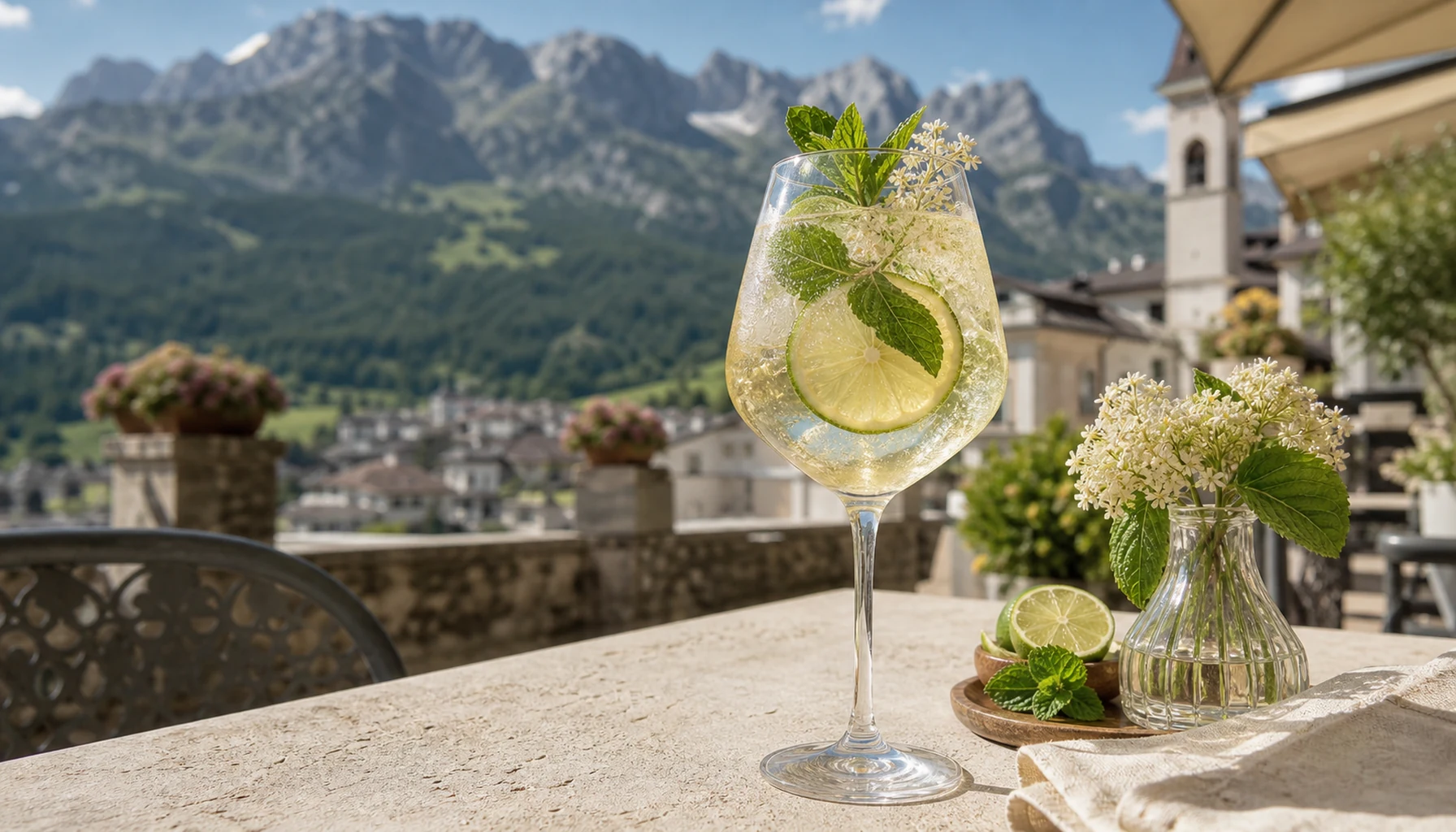
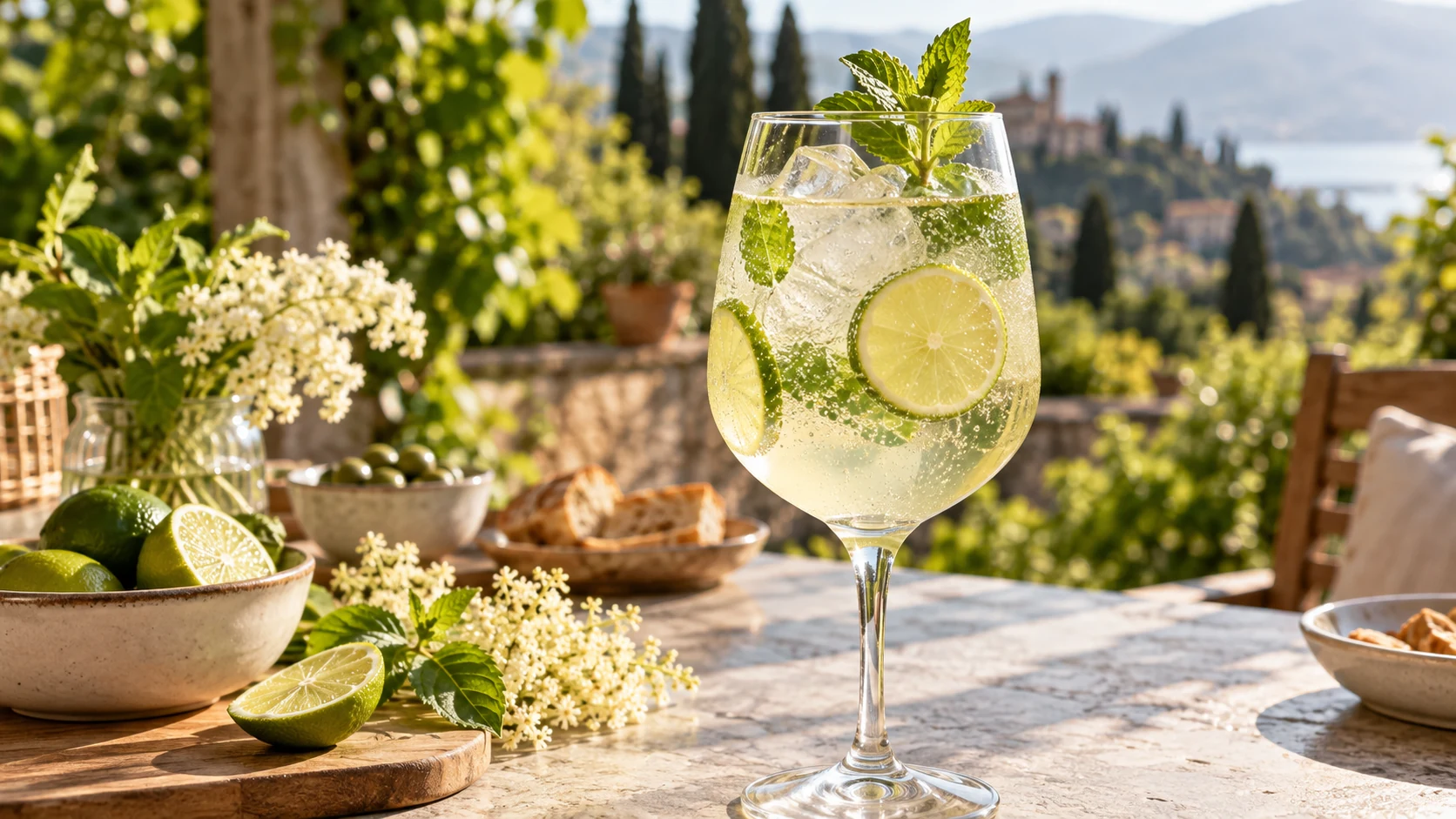
The Hugo Spritz is having the kind of summer that turns a regional aperitivo into a global shorthand for easy elegance. It is pale, fragrant, sparkling, and built around ingredients that feel almost too simple: elderflower liqueur, Prosecco, soda water, mint, and lime. The drink has been around for years, but in 2026 it has moved from "European vacation order" to one of the clearest warm-weather cocktail trends.
That rise makes sense. Drinkers are still looking for cocktails that feel celebratory without being heavy. The Hugo gives them bubbles, aromatics, low effort, and a lower-alcohol profile than many shaken classics. It photographs well, but it also tastes better than a drink built only for the camera. Elderflower brings perfume, lime keeps it bright, mint gives it lift, and Prosecco makes the whole glass feel festive.
If the Aperol Spritz is bittersweet sunset orange, the Hugo Spritz is late-afternoon green: cooler, softer, more floral, and just as suited to a table full of snacks.
Why It Is Trending Now
The Hugo Spritz fits the current cocktail mood because it solves several problems at once. It is lighter than a Margarita, more distinctive than a vodka soda, and easier to build than most craft cocktails. It also sits comfortably between wine culture and cocktail culture, which is why it works at brunch, aperitivo hour, weddings, garden parties, and casual dinners.
It also benefits from the ongoing spritz boom. A spritz is easy to understand: something flavorful, something sparkling, something refreshing, served over ice. Once drinkers know that format, they start looking beyond the Aperol version. The Hugo is the natural next step because elderflower feels familiar but still special. It tastes fragrant rather than bitter, and it gives the drink a softer profile than many aperitivo classics.
The timing is perfect for summer. A Hugo Spritz does not ask for a perfect bar setup. It asks for cold bottles, fresh mint, a wedge of lime, and enough ice. That makes it easy for home bartenders to adopt quickly, which is often what turns a bar trend into a genuine drinking habit.
Hugo Spritz Recipe
Ingredients:
- 1 oz elderflower liqueur
- 3 oz chilled Prosecco
- 1 oz chilled club soda
- 1/2 oz fresh lime juice
- 6 fresh mint leaves
- Lime wheel and mint sprig for garnish
Instructions:
- Add the mint leaves to a large wine glass and press them gently with a bar spoon.
- Fill the glass with ice.
- Add elderflower liqueur and fresh lime juice.
- Pour in the Prosecco, then the club soda.
- Stir once or twice, just enough to combine without losing bubbles.
- Garnish with a lime wheel and a fresh mint sprig.
Getting the Balance Right
The secret to a good Hugo is restraint. Elderflower liqueur can become perfumed and sweet if it is allowed to dominate. Prosecco can taste flat if it is warm. Mint can turn grassy if it is crushed too hard. The drink works best when each ingredient stays in its lane.
Use a dry, crisp Prosecco rather than a very sweet one. The elderflower already adds sugar, so the wine should bring acidity and sparkle. If your Prosecco is soft or fruity, increase the lime slightly or add a little more soda. If the drink tastes thin, reduce the soda and use a fuller splash of elderflower.
Mint should be treated like aroma, not like a muddled herb paste. Press the leaves gently or slap them between your palms before adding them to the glass. You want the scent to rise with the bubbles, not green bitterness in the finish.
Taste Notes
A well-made Hugo Spritz opens with elderflower and mint before the first sip even lands. On the palate it should be lightly sweet, gently citrusy, and very cold. The bubbles carry the floral notes upward, while lime keeps the drink from becoming syrupy. The finish should be clean, with a soft mint echo and a little fruit from the Prosecco.
Compared with an Aperol Spritz, the Hugo is less bitter and more aromatic. Compared with a French 75, it is lower in alcohol and easier to sip slowly. Compared with a Mojito, it is less rum-driven and more wine-like. That middle ground is exactly why the drink is so useful right now.
Best Occasions
The Hugo Spritz is built for early evening. Serve it before dinner with salty snacks, olives, cured fish, focaccia, goat cheese, or fresh vegetables. It also works beautifully with spring and summer foods: asparagus, peas, grilled zucchini, herby salads, melon, and seafood.
For parties, the Hugo has another advantage: it scales gracefully. You can chill the Prosecco, soda, and liqueur ahead of time, prep mint and lime, and build each glass quickly to order. Avoid fully batching it with bubbles hours in advance. The sparkle is part of the charm, and it fades quickly once mixed.
If you need a pitcher format, combine elderflower liqueur and lime juice in advance. When guests arrive, pour that base over ice, add Prosecco and soda, then stir gently and garnish with mint.
Variations to Try
For a drier Hugo, use 3/4 oz elderflower liqueur and an extra splash of soda. For a more aromatic version, add a thin cucumber ribbon. For a fruitier summer version, add a few slices of white peach or green apple.
If you want more bitterness, add a very small splash of gentian aperitif. It gives the drink a mountain-herb edge without turning it into an Aperol Spritz. If you want a zero-proof version, use elderflower cordial, lime, mint, soda, and a dry nonalcoholic sparkling wine.
The best variations keep the drink pale, cold, and lifted. Once the glass becomes too sweet, too colorful, or too crowded, it stops feeling like a Hugo.
Conclusion
The Hugo Spritz is trending because it is exactly the kind of drink summer rewards: cold, sparkling, fragrant, low-effort, and easy to personalize. It feels polished without being fussy, and it gives spritz drinkers a floral alternative to bitter orange aperitivo classics.
Use cold ingredients, fresh mint, dry Prosecco, and enough lime to sharpen the elderflower. When the balance is right, the Hugo Spritz tastes like the simplest possible luxury: a bright glass, a warm evening, and bubbles that disappear just slowly enough.