Introduction
Bourbon cocktail recipes sit at the center of the modern home bar because bourbon can be generous, technical, and forgiving at the same time. It brings oak, vanilla, spice, caramel, grain, and heat into a glass without needing a long list of ingredients. That makes it easy for a beginner to mix a satisfying Old Fashioned, but it also gives a more advanced drinker enough structure to study dilution, sugar, bitters, citrus, vermouth, and ice.
The best bourbon cocktails do not hide the whiskey. They frame it. A strong recipe lets the distillate keep its shape while the supporting ingredients decide whether the drink feels bright, dark, silky, bitter, refreshing, or dessert-like. That is why the same bottle can work in an Old Fashioned, a Whiskey Sour, a Mint Julep, a Manhattan-style drink, and a sparkling highball. The technique changes, but the goal remains consistent: keep the bourbon readable.
This guide is built for home bartenders who want more than a list of drinks. It explains how bourbon cocktail history shaped modern recipes, how high-rye and wheated bourbons behave differently, and how proper dilution, ice, and batching can make a familiar recipe feel professionally prepared.
History and Evolution
The bourbon cocktail grew out of the early American cocktail tradition, when spirit, sugar, water, and bitters formed the basic template. That older definition still explains the Old Fashioned: whiskey softened by sugar, seasoned by bitters, and opened by a little water from stirring. As American whiskey production matured in Kentucky and surrounding regions, bourbon became a natural anchor for this style because its charred oak barrel character supplied sweetness and depth before anything else entered the glass.
During the nineteenth century and early twentieth century, bourbon moved through several cocktail families. In spirit-forward drinks, it met vermouth, bitters, and liqueurs. In sours, it met lemon, sugar, and sometimes egg white. In juleps, it met mint, crushed ice, and patient dilution. After Prohibition disrupted distilling and bar culture, many whiskey drinks became simpler or sweeter, but the late twentieth-century cocktail revival returned attention to older ratios, fresher citrus, better ice, and careful stirring.
That history influences modern preparation in a practical way. A bourbon cocktail should usually be built around balance rather than novelty. The oldest templates still work because they solve core problems: sugar rounds heat, bitters sharpen sweetness, citrus lifts oak, vermouth adds length, and water makes the whiskey aromatic instead of hot.
Flavor Profile
Bourbon is legally tied to a corn-forward mash bill, new charred oak, and American whiskey identity, but not all bourbon behaves the same way in cocktails. A high-rye bourbon usually tastes drier, sharper, and more peppery. It is excellent when a drink needs structure, especially with sweet vermouth, ginger, maple, or rich syrup. In a Manhattan-style bourbon cocktail, high-rye bourbon helps keep the finish from turning heavy.
A wheated bourbon is usually rounder and softer, with more bread, honey, vanilla, and gentle oak. It can be beautiful in a Whiskey Sour or Gold Rush because lemon supplies the edge that the whiskey itself may not emphasize. In an Old Fashioned, wheated bourbon often wants a lighter hand with syrup because the spirit already reads sweet.
Proof also matters. Bourbon at 90 to 100 proof is often the easiest range for cocktails: strong enough to survive dilution, but not so hot that every recipe needs correction. Barrel-proof bourbon can be excellent, but it usually needs extra stirring, a slightly larger citrus or syrup component, or service over a large cube that continues to open the drink slowly.
Signature Recipe
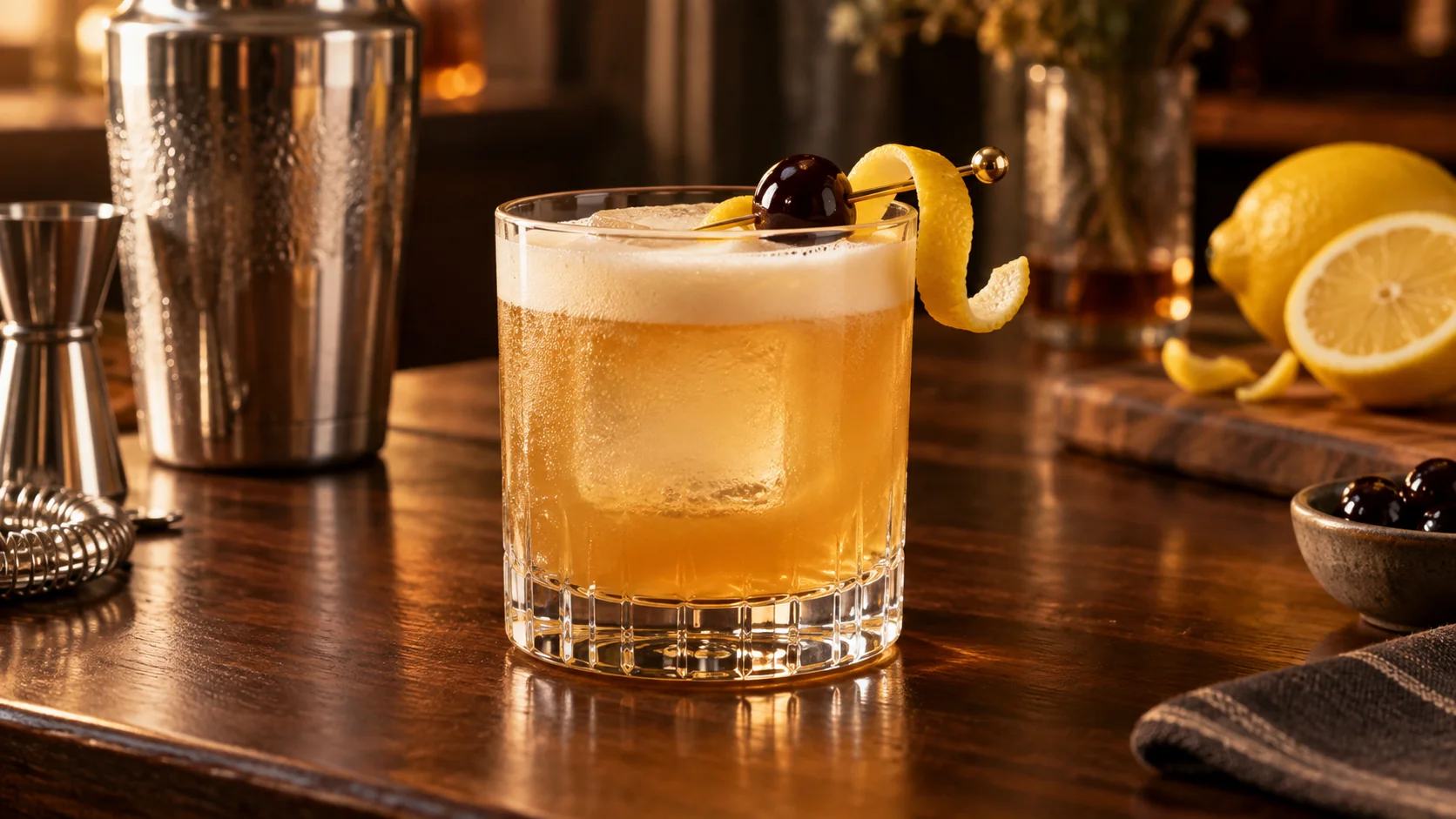
This benchmark bourbon sour is designed to teach balance. It is not overloaded with fruit or syrup, and it works with both high-rye and wheated bourbon. Use high-rye bourbon for a sharper, spicier drink. Use wheated bourbon for a softer, rounder version.
Ingredients:
- 2 oz bourbon
- 3/4 oz fresh lemon juice
- 1/2 oz rich demerara syrup
- 1/4 oz orange liqueur
- 2 dashes Angostura bitters
- 1 egg white, optional
- Lemon wheel or orange twist for garnish
Instructions:
- Add bourbon, lemon juice, demerara syrup, orange liqueur, bitters, and egg white or aquafaba if using to a shaker.
- Shake without ice for 10 seconds if using egg white or aquafaba.
- Add solid ice and shake hard until the tin feels very cold.
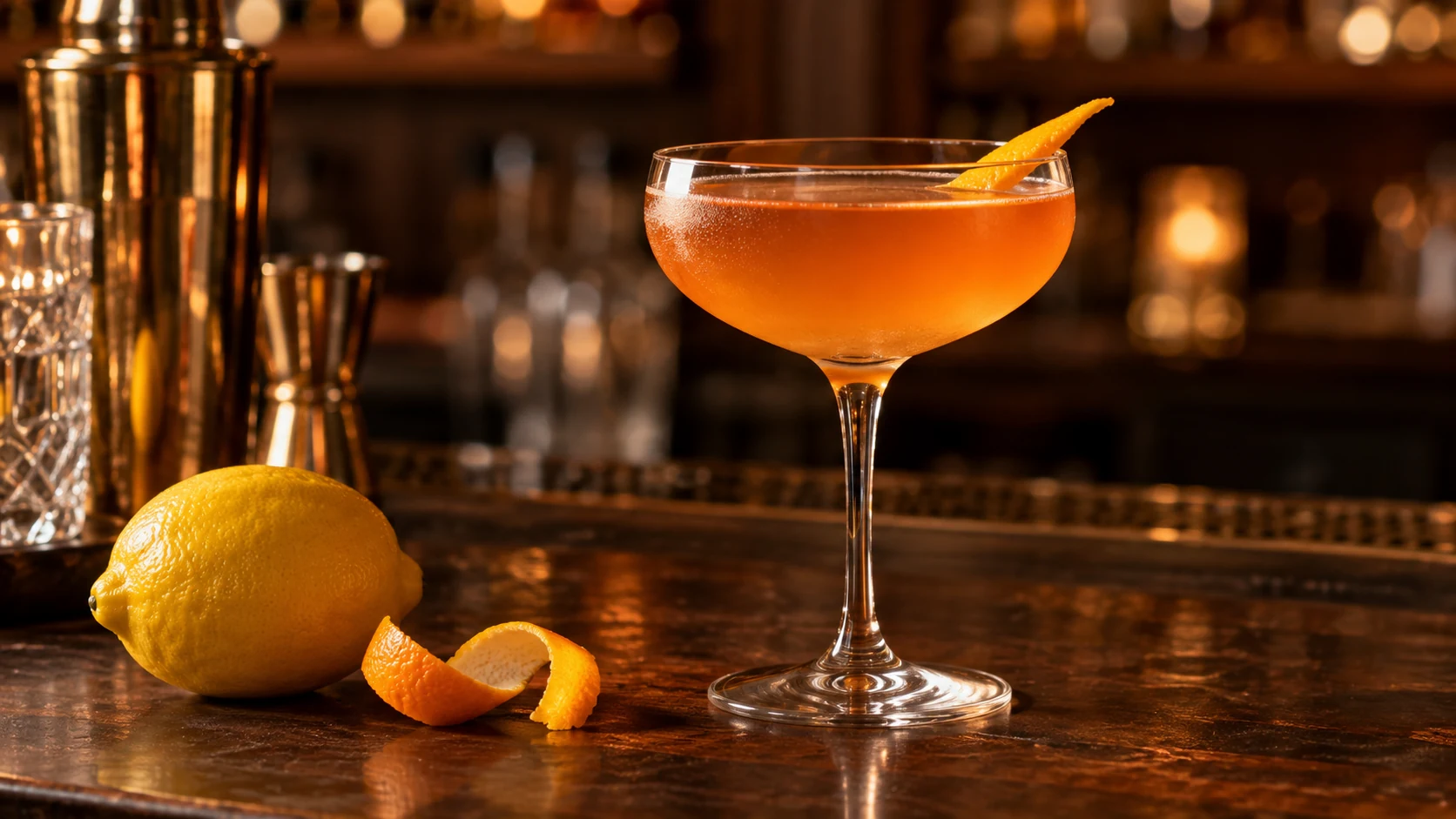
- Double strain into a chilled coupe for a clean texture, or strain over one large cube in a rocks glass.
- Garnish with a lemon wheel or an expressed orange twist.
Use aquafaba instead of egg white if you want a non-egg foam, but keep it outside the main ingredient list if you are building a cleaner home bar index.
Technique That Elevates It
Dilution is the difference between a rough bourbon drink and a polished one. In stirred recipes, use dense ice and stir until the drink loses its alcoholic edge, usually 20 to 35 seconds depending on the ice and room temperature. In shaken bourbon sours, use fresh hard ice and shake with intent. Small wet ice dilutes quickly and can make the drink thin before it becomes cold.
Sugar format matters too. Rich syrup, made with two parts sugar to one part water, gives weight without adding too much water. Demerara syrup adds molasses depth that flatters bourbon's barrel notes. Standard simple syrup tastes cleaner and can be better when you want citrus or mint to dominate.
Batching is useful for spirit-forward bourbon cocktails. For an Old Fashioned batch, combine bourbon, syrup, and bitters in a bottle, then add measured water to replace the dilution that stirring would normally provide. Chill the bottle and pour over a large cube. Do not batch fresh citrus for more than a short window, because lemon changes character as it sits.
Essential Bourbon Cocktails
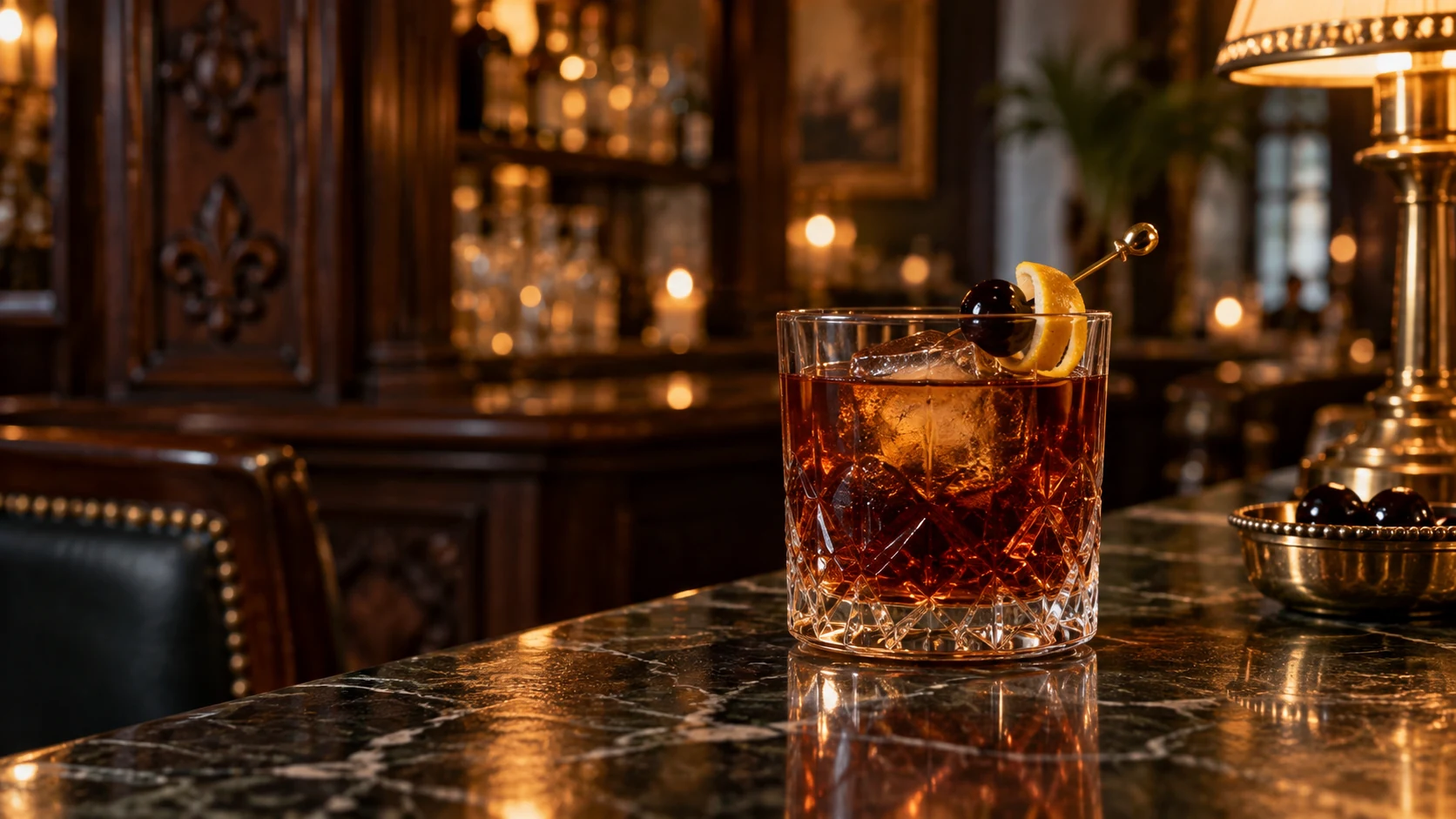
Every home bar should know the Old Fashioned, Whiskey Sour, Mint Julep, Bourbon Manhattan, Boulevardier, and Gold Rush. Together they teach nearly every bourbon technique that matters. The Old Fashioned teaches sugar and bitters. The Sour teaches citrus and shake texture. The Julep teaches crushed ice and slow dilution. The Manhattan format teaches vermouth. The Boulevardier teaches bitter aperitif balance. The Gold Rush teaches how honey can make bourbon feel modern without becoming complicated.
When choosing a bottle for several recipes, pick a bourbon with enough proof and a clear flavor profile. If it tastes thin neat, it will usually disappear in a cocktail. If it tastes balanced with oak, spice, and grain, it will probably mix well.
Serving Tips
Use large clear cubes for rocks drinks, cracked ice for shaken drinks, and crushed ice for juleps. Chill coupes and Nick and Nora glasses before service, especially for sours. Express citrus peels over the finished drink rather than dropping in a large wedge, unless the recipe needs more juice as it sits.
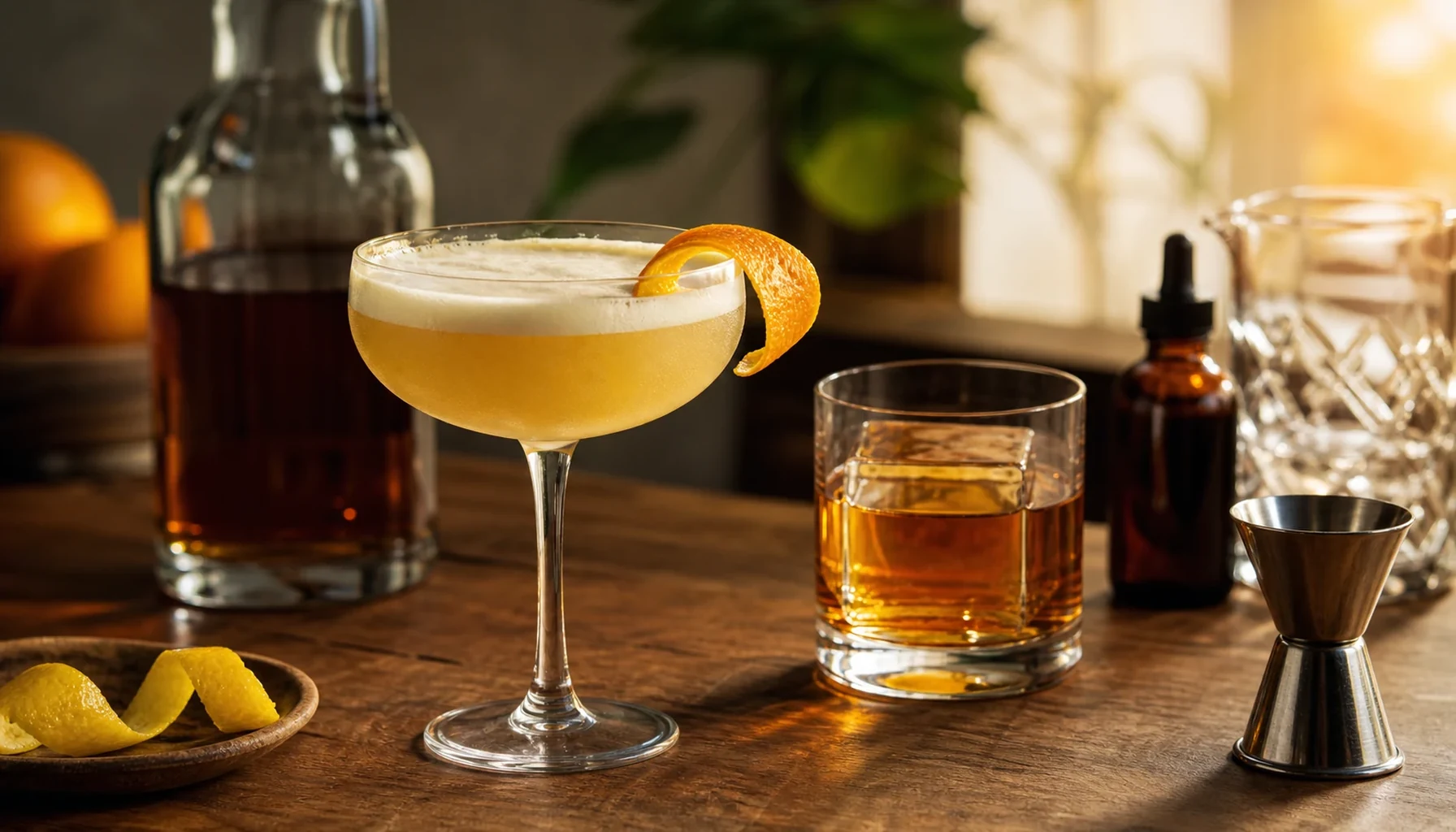
For guests, set up a small tasting comparison with one high-rye bourbon and one wheated bourbon in the same recipe. It is one of the fastest ways to understand why bourbon profile matters. Keep the measurements identical, taste side by side, and notice which version feels brighter, sweeter, drier, or longer.
Conclusion
Bourbon cocktail recipes reward both intuition and precision. The classics matter because they show how whiskey, sugar, bitters, citrus, vermouth, mint, and ice interact. Once those foundations are clear, modern variations become easier to judge. Start with a balanced recipe, choose a bourbon profile that suits the drink, control dilution, and let the whiskey remain the center of the glass.