Introduction
Egg white is one of the simplest ways to make a cocktail feel professional. It adds very little flavor, but it changes texture dramatically. A sour with egg white becomes smoother, rounder, and more aromatic because the shaken proteins trap air and form a fine foam across the surface of the drink.
That foam is not only visual. It softens acidity, carries bitters and citrus aroma, and gives the first sip a creamy feel without adding cream. The drink still tastes bright and refreshing, but the edges are polished. That is why egg white shows up in classics such as the Whiskey Sour, Pisco Sour, Clover Club, White Lady, Pink Lady, and Ramos Gin Fizz.
The technique is easy once the logic is clear. Use the right amount, shake once without ice to build foam, shake again with ice to chill and dilute, then strain cleanly. The details matter because egg white is sensitive to fat, weak shaking, poor sealing, and warm service.
Why Use Egg White
Egg white is mostly water and protein. When shaken, those proteins unfold and trap air bubbles. Sugar and citrus help stabilize the foam, while alcohol and dilution keep the drink from becoming heavy. The result is a fine, velvety cap and a softer body through the whole cocktail.
In a sour, egg white helps bring the ingredients together. Lemon or lime can taste sharp on its own. Whiskey, gin, pisco, or amaretto can taste hot or angular. Syrup can feel simple. Egg white rounds those parts without making the drink sweet. It gives the cocktail a sense of weight and composure.
A standard home measure is 1/2 oz to 3/4 oz egg white per drink. One fresh large egg white is often close to 1 oz, which can be more than a single sour needs. Too much egg white can make the drink smell faintly sulfurous or feel overly thick. If you want precision, separate the egg and measure the white with a jigger.
Egg White vs Aquafaba
Aquafaba, the liquid from cooked or canned chickpeas, is the most common egg-free substitute. It foams well, works with the same dry shake method, and is useful for vegan guests or anyone avoiding raw egg. Use about 1/2 oz to 3/4 oz aquafaba in place of egg white.
Egg white usually creates a cleaner, tighter foam with a very neutral flavor. It is especially good in spirit-forward sours where the base spirit should stay clear. Aquafaba can be slightly more forgiving and convenient because it can be portioned from a can or stored briefly in the refrigerator, but it may bring a faint bean-like aroma if used heavily.
Neither option is automatically better. Use egg white when you want the classic texture and a neutral profile. Use aquafaba when dietary needs, safety concerns, or convenience matter more. In either case, the technique matters more than the label. A weak shake will make a weak foam.
The Dry Shake Technique
The dry shake is the standard method for egg white cocktails. "Dry" means the first shake happens without ice. Without ice in the tin, the egg white has more room to stretch, foam, and emulsify before dilution begins.
Ingredients for a benchmark sour:
- 2 oz whiskey, gin, pisco, or another base spirit
- 3/4 oz fresh lemon or lime juice
- 3/4 oz simple syrup
- 1/2 oz to 3/4 oz egg white
- Bitters for garnish, optional
Instructions:
- Add spirit, citrus, and syrup to a shaker.
- Separate the egg white into a small bowl, then add the measured white to the shaker last.
- Seal the shaker firmly and shake without ice for 10 to 15 seconds.
- Open the shaker, add hard ice, and seal again.
- Shake hard for another 12 to 15 seconds, until the tin feels very cold.
- Double strain into a chilled coupe or sour glass.
- Let the foam settle briefly, then add bitters if desired.
Adding the egg white last is practical. If a shell breaks, a yolk tears, or the egg looks questionable, you have not ruined the rest of the drink. Separating into a small bowl also helps keep shell fragments out of the shaker.
Hold the shaker tightly during the dry shake. Egg white and citrus can create pressure, and a poorly sealed tin can leak. A two-piece Boston shaker works well, but any shaker needs a confident seal.
Reverse Dry Shake
The reverse dry shake flips the order. You shake the cocktail with ice first, strain out the ice, then shake the chilled drink again without ice. This can create a very fine, glossy foam because the drink is already diluted and cold when the final aeration happens.
Use the reverse dry shake when presentation matters most, especially for a Whiskey Sour, Pisco Sour, or Clover Club served up. It often produces a thicker-looking foam cap. The tradeoff is workflow. You have to open the shaker, remove ice, and shake again, which adds a step and can warm the drink slightly if you move slowly.
For most home bartenders, the standard dry shake is easier and more reliable. For the cleanest foam, try both methods with the same recipe. If your ice is very wet or your shaker leaks during the first dry shake, the reverse method may work better.
Safety in the Home Bar
Raw egg is a food safety decision, not just a cocktail technique. The lowest-risk approach is to use pasteurized shell eggs or pasteurized carton egg whites. This is especially important when serving pregnant guests, older adults, young children, immunocompromised guests, or anyone who prefers not to consume raw egg.
Keep eggs refrigerated until use. Do not use cracked, dirty, or expired eggs. Wash hands, tools, and surfaces after handling raw egg. Separate each egg into a small bowl before it goes into the shaker so you can inspect it first. Discard leftover separated egg white rather than letting it sit at room temperature on the bar.
Carton egg whites can work well, but some brands foam better than others. If the foam is weak, try a different brand or use pasteurized shell eggs. Aquafaba is also a useful alternative when you want to avoid raw egg entirely.
Do not batch cocktails with raw egg white for later service. Batch the spirit, citrus, and syrup if needed, but add egg white only when each drink is shaken. The texture depends on fresh aeration, and the safety tradeoff is not worth the convenience.
Classic Egg White Cocktails
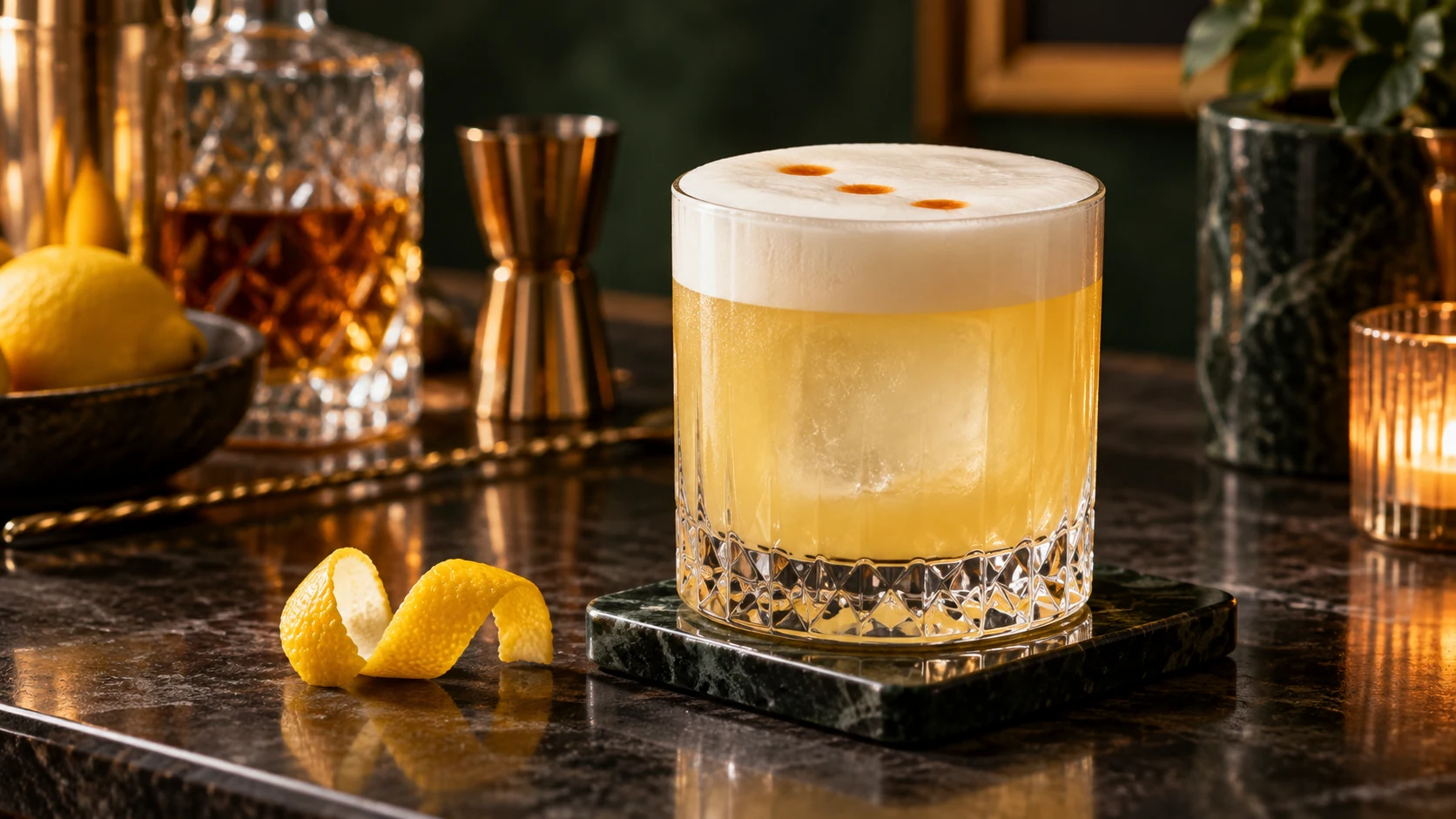
The Whiskey Sour is the best starting point. With whiskey, lemon, sugar, and egg white, it teaches the whole relationship between acid, sweetness, spirit, and foam. When egg white is included, the drink is sometimes called a Boston Sour.
The Pisco Sour uses pisco, lime or lemon, syrup, egg white, and bitters. Its foam is part of the drink's identity, not an optional flourish. The bitters sit on top and season the aroma of each sip.
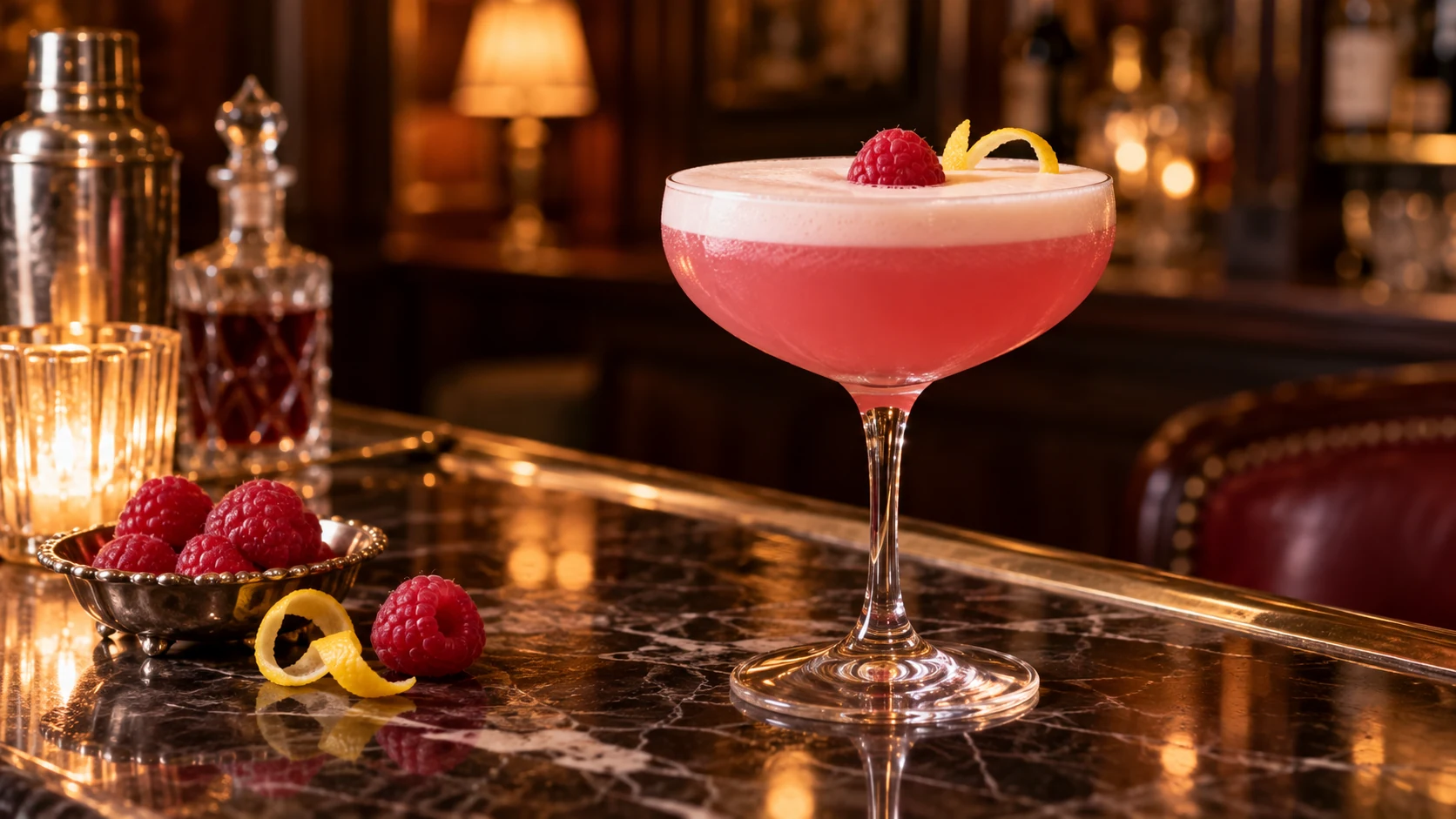
The Clover Club combines gin, lemon, raspberry, and egg white. It shows how egg white can soften fruit and citrus while keeping the drink bright. The White Lady and Pink Lady also use egg white to polish gin-based sours.
The Ramos Gin Fizz is the advanced lesson. It includes gin, citrus, syrup, egg white, cream, orange flower water, and soda. The drink depends on serious shaking and careful topping to create its tall, souffle-like head. It is more demanding than a sour, but it teaches why texture can become the whole point of a cocktail.
Troubleshooting Foam
If the drink does not foam, the most likely problem is weak shaking. Shake harder than feels polite. The goal is to force air into the egg white and build a stable texture. A short, soft shake will chill the drink but will not create the same body.
Fat can also hurt foam. Yolk, cream residue, oily garnishes, or a dirty shaker can interfere with protein structure. Keep tools clean and separate the egg carefully. If a yolk breaks into the white, start again.
If the foam is bubbly rather than fine, double strain and let the drink rest for a few seconds. Fine bubbles settle into a smoother cap. If the drink smells eggy, use less egg white, use fresher eggs, or add bitters on the foam. Citrus oil from a lemon twist can also brighten the aroma.
If the cocktail tastes thin, the ice may be too wet or the drink may be over-shaken after the foam is already formed. Use hard freezer ice and shake with intent rather than endless time. Good egg white texture needs both aeration and proper dilution.
Serving Tips
Serve egg white cocktails immediately. The foam is most beautiful in the first few minutes, and the drink tastes best while cold. Chill the glass before shaking so the cocktail does not warm as soon as it is poured.
Bitters are more than decoration. Angostura bitters, Peychaud's bitters, or aromatic bitters dotted across the foam add aroma right where the nose meets the drink. For a cleaner look, drag a toothpick through the drops to create a simple pattern.
Use fresh citrus. Bottled lemon or lime makes egg white cocktails taste flat because the foam amplifies aroma. The texture may still work, but the drink will not feel alive.
Conclusion
Egg white in cocktails is a texture tool. It does not make the drink taste like egg when used correctly; it makes the cocktail feel smoother, fuller, and more integrated. Start with 1/2 oz to 3/4 oz egg white, dry shake without ice, shake again with hard ice, and strain into a cold glass. Use pasteurized eggs or aquafaba when safety or dietary needs call for it. Once the technique is comfortable, the classics open up quickly: Whiskey Sour, Pisco Sour, Clover Club, White Lady, Pink Lady, and Ramos Gin Fizz all become lessons in how foam can turn a simple sour into a polished cocktail.